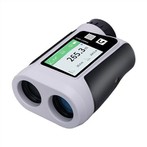
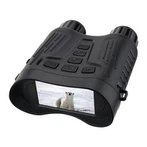
Что есть разница между PID и FID принципы из портативный летучий лос газ детектор
1. The Principle of detection is different
The portable voc gas detector based on the PID principle uses ultraviolet light to ionize the sample gas to monitor the концентрация of voc when detecting the sample is discharged, the sample gas can still be analyzed again. When the online monitor detects the sample gas, it uses a hydrogen flame to ionize the sample gas. After the burned sample gas is discharged, the composition and concentration of voc gas have changed, and secondary analysis is not possible.
Two, installation and use are different
In terms of installation and use, the voc gas detector using PID is small and portable, easy to install, and low in cost. Однако, the voc gas detector based on the FID principle requires a hydrogen bottle or an online hydrogen generator, so the installation difficulty and technical requirements are higher, and the cost is higher than that of the PID principle.
3. Разные типы из газы обнаружены
The voc detected by the PID principle includes насыщенный и ненасыщенный углеводороды, ароматические соединения, амины, галогенированные углеводороды, тиоуглеводороды, спирты, липиды, и гидразин газы; the FID принцип is широко используется для летучие углеводороды и Обнаружение из многие углерод соединения.
Fourth, the scope of monitoring is different
The monitoring range of the FID principle is {{{0}}ppm, while the monitoring range of the PID principle is 1-4000ppm or 0.1-10000pmm; when the concentration of voc is higher than 10000ppm, the FID linearity is better. There, when users choose the principle of voc gas detector, they need to decide according to the on-site voc концентрация.